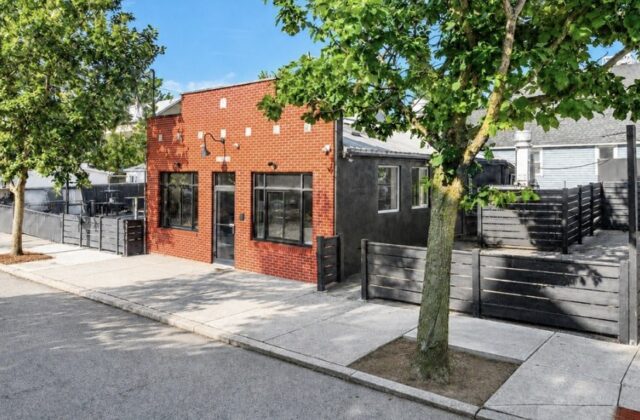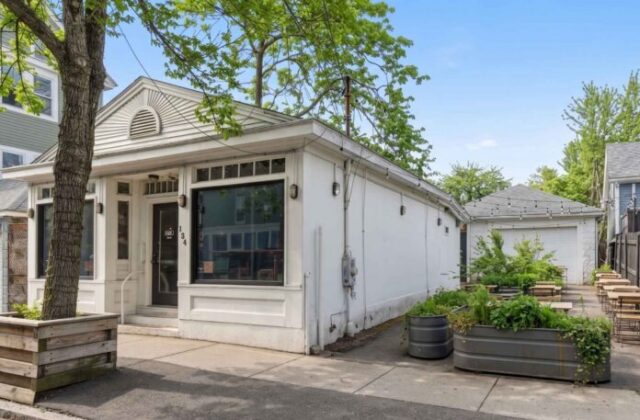

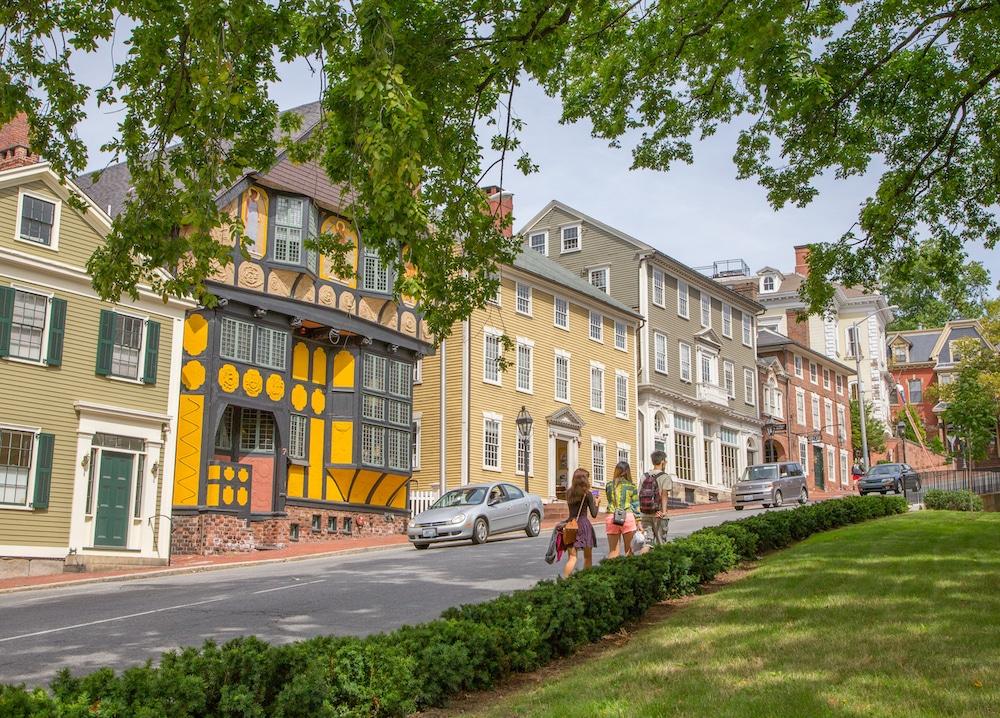
You’ve found the one. Maybe it’s a classic Colonial on a tree-lined street off Blackstone Boulevard, or a renovated Victorian a short walk from Wayland Square. You booked the showing the day it hit the market, you pictured your furniture in the living room, and you wrote a strong offer. Then the call comes: “There were seven offers. You weren’t selected.”
If that’s happened to you, you’re not alone. Buying on Providence’s East Side means competing for limited inventory with a lot of motivated buyers, and plenty of good offers lose. The good news is that losing usually isn’t about money alone. The highest price doesn’t always win. The strongest offer does, and price is only one piece of what makes an offer strong.
After years of representing both buyers and sellers here, I’ve seen firsthand what makes a seller say yes, and I’ve learned that winning is about strategy, information, and timing. Here’s how I approach it. If you want a local agent in your corner, see my East Side Providence real estate agent page.
Open the Buyer Tool Box
When most buyers think about competing, they think about one lever: price. Go higher, then higher again, and hope it’s enough. But every offer has many moving parts, and each one can make yours more appealing to a seller, often without adding a dollar to the price.
I call it the Buyer Tool Box. These are the tools I reach for most.
1. A Larger Deposit, or a Non-Refundable One
Your deposit is a signal. A larger one tells the seller you’re committed, financially prepared, and unlikely to walk away at the first bump. When a seller is comparing two similar offers, the one backed by more skin in the game often feels like the safer bet.
Want to go further? Make some or all of that deposit non-refundable. It’s the ultimate “I mean business” move. You’re telling the seller you’re so confident in this house that you’re willing to put real money on the line. Few things give a seller more certainty, and it can set your offer apart without changing what you ultimately pay for the home. It does carry real risk if the deal falls apart on your end, so it’s a tool to use deliberately, on the right house.
2. A Flexible Closing Timeline
Every seller has a life happening around the sale. One might need to close quickly to buy their next home. Another might need two or three months to find a place, wrap up a job or lease, or coordinate a move. If you can match their timeline, or offer the flexibility to let them choose, you’re solving a real problem for them. That kind of accommodation can be worth as much as a higher price, and sometimes more.
3. Smarter Inspection Terms
Waiving inspections entirely is the move people talk about, but it’s a blunt tool. It isn’t right for every buyer or every house. The good news is there’s a lot of room between a full inspection contingency and none at all. We can:
- shorten the inspection period so the seller gets certainty sooner,
- limit the scope, for example agreeing not to ask for repairs below a certain dollar amount, or to focus only on major structural and mechanical issues,
- or do an inspection for information only, so you know what you’re buying without negotiating repairs.
There are many ways to adjust the scope and timeline of an inspection so your offer reads cleaner to a seller while you still protect yourself. The key is choosing the right version for the house and for your comfort with risk.
4. Mortgage Contingency Strategy
Cash offers are powerful because they remove the risk of financing falling through. You don’t necessarily have to pay all cash to get that advantage, though. Depending on your situation, you can make a cash offer and still reserve the right to get a mortgage. You can also shorten or remove the mortgage contingency if you’re well qualified and well prepared. Structured properly, either approach can put you on equal footing with the all-cash buyers you’re competing against.
Every Tool Has a Trade-Off
None of these tools is free. A larger or non-refundable deposit, a shorter inspection period, or a tighter mortgage contingency each shifts some risk onto you. The goal isn’t to use every tool on every house. It’s to choose the right combination for that particular property, that particular seller, and your own financial picture. That judgment is where an experienced agent earns their keep.
The Most Important Tool: Real Market Insight
Of everything in the Buyer Tool Box, the one that matters most is information.
Before we write an offer, I want to know how competitive the house really is, not just how competitive it looks. Is there genuine demand, or just a lot of foot traffic at the open house? Are other agents telling me their clients are writing? What have similar homes nearby actually sold for, and how far over asking?
Because I’m in constant conversation with other agents across the East Side, I can often get a real read on how much interest a property has. I often have insight into what other buyers are likely to offer, too. That changes everything about how we build your offer. It keeps you from overpaying when the competition is softer than it seems, and from coming in light when a house is about to go for a big number. You get to make your decision with your eyes open instead of guessing.
That approach is how my clients secured 30 Brookway Road on the East Side for $1,325,000. We moved quickly and structured an offer compelling enough that the seller accepted it and canceled the scheduled open house entirely. My clients got the home without ever having to compete against the crowd that open house would have brought in.
Win Before the Bidding War Starts
Sometimes the smartest way to win a bidding war is to avoid one altogether.
My clients who bought 24 Glendale Avenue had lost out on several homes in competitive offer situations. They were frustrated, and understandably so. Rather than keep fighting over the same handful of listings as everyone else, we changed the approach and went looking for opportunities that weren’t publicly available.
We found 24 Glendale off market, and my clients bought it for $975,000 without competing against a single other buyer.
Finding homes like that doesn’t happen by refreshing a search app. It takes an agent with an ear to the ground:
- constantly talking with other agents about what’s coming up,
- keeping track of homeowners who might be thinking about selling,
- and noticing the little signs, like a contractor’s truck in a driveway, a dumpster out front, or a house getting a fresh coat of paint, that often mean a property is being prepared for market.
When you hear about a house before it’s listed, you’re no longer one of seven offers. You’re the only one in the room.
What Sellers Actually Care About
Buyers often ask me what sellers really want. The honest answer is that every seller is different. Some are downsizing after decades in the same home. Some are relocating on a deadline. Some are investors watching the numbers closely.
But in the end, nearly every seller cares about two things: price and terms. The strongest offers speak to both. A great price with complicated, uncertain terms can lose to a slightly lower price that’s clean, certain, and on the seller’s timeline. Learning what a particular seller values most, whether that’s speed, certainty, flexibility, or simply the fewest headaches, is how you write an offer that rises to the top of the pile.
My Best Advice for East Side Buyers
I tell every buyer the same thing before we start: if it’s meant to be, it’s meant to be. You won’t win every house, and sometimes losing one makes room for a better one.
But when you find a home you truly love, put your best foot forward. Don’t hold back your strongest offer in the hope of saving a little, only to watch it go to someone else. There’s nothing worse than looking back and saying, “I wish I’d offered a little more,” or “I wish I’d been more flexible on the closing.” Go in prepared, with a clear strategy and the right tools, and whatever happens, you’ll know you gave it your best shot.
For my local’s take on where to eat, walk, and spend a Saturday, read my East Side of Providence lifestyle guide.
Ready to Buy on the East Side?
Competing in this market takes more than a pre-approval letter and a good feeling about a house. It takes strategy, insight, and an agent who knows how to use every tool in the box.
If you’re just starting your search, or you’re tired of coming in second, let’s talk. Together we’ll build an offer strategy that gives you the best possible chance at the home you want.
Related: Providence Residential Real Estate · East Side Providence · The Home Buying Journey